Arts & Culture
Make trouble and inspire change: broadcasting the superhumans
Change doesn’t always happen overnight, but there are times when we can see it happening right before our eyes on our TV screens. The University of Canberra’s own Deborah Poulton had a hand in making history in the broadcast coverage of the Paralympic games, an interest that she says was sparked early on in life and throughout her career.
Deborah describes Canberra as a close-knit community and it was in her teenage years that she made the decision to breakout from the Bush Capital.
Deborah made the jump to Sydney where she landed a job at Microsoft, working across HR and marketing over the next four years. Business trips to Tokyo and Seattle inspired an ambition to leave Australia and travel. Still in her early twenties, she ventured by train through Hong Kong to China and then London, eventually arriving in Africa where she spent a year visiting different communities.
Her experiences in Africa left Deborah feeling differently about the world and she made her way back to London with a fierce desire to promote equality.
Back in London, she began working for the public-service broadcaster, Channel 4, producing content which gave a platform to alternative voices and under-represented groups. Their content brought diversity to the screens through programs such as The Undateables and documentaries like Girls to Men.
It was here that Deborah adopted the television channel’s mission statement: "Make trouble and inspire change".
Her work at Channel 4 gave the Aussie expat the opportunity to tell important stories and explore the inequities of the world. When the opportunity came around to work on the 2012 Paralympics, her homesickness was put at bay.
Set on changing public perception of the Paralympics, Deborah’s team developed a new strategy for broadcasting. Athletes, who were sick of the ‘pat on the back for having a go’ mentality, would no longer be left for next day highlights. For the first time, Paralympic coverage was planned to match that of the Olympics.
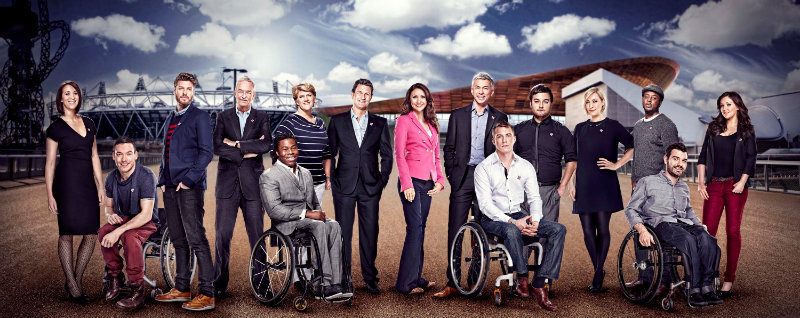
Channel 4’s presenting team for the 2012 London Paralympics
This project resulted in a bold marketing plan and an unprecedented amount of airtime for the London 2012 Paralympic Games. The Channel 4 campaign film Meet the Superhumans played across 78 television channels in a ‘roadblock' premiere and won the Grand Prix for Film Craft at Cannes.
Deborah made the crucial recommendation to feature programming talent with disabilities. This approach gave birth to The Last Leg, a program hosted by Australian presenter Adam Hills, Alex Brooker and comedian Josh Widdicombe. The show provided a daily alternative review of each day's events and the chance to add humorous content.
In May 2013, Deborah’s team accepted the BAFTA Award for Best Sport and Live Event, trumping the BBC’c Olympics coverage.
In an unforgettable moment, the Paralympic presenter, Ade Adepitan, a former wheelchair basketball player, recognised the work of Deborah and her team with the words, “Thank you Channel 4, for letting us be ourselves.”
Following these achievements, Deborah was drawn back to the Australian sun and eucalyptus trees. She has made Canberra her home again, and can be found working as a Business Partner in the People and Diversity sector of our University, still inspiring those around her and occasionally still making trouble.
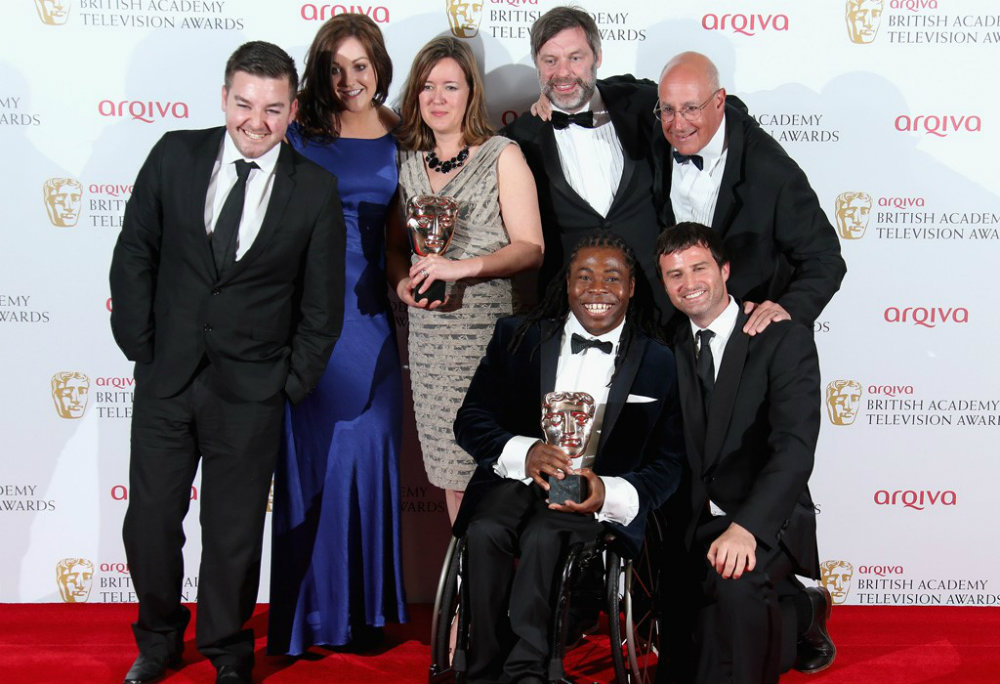
Pictured: Alex Brooker, Rachel Lathan, Deborah Poulton, Jamie Aitchison, Ade Adepitan, Gary Franses and Giles Long, winners of the Sport and Live Event award for The London 2012 Paralympic Games at the Bafta Television Awards 2013
Words by Sasha Mollett, with some excerpts taken from Canberra Close Up interview hosted by Alex Sloan, ABC Radio 2016